Yoslock Smart Access Control Solutions - News-20260929-Smart tech empowers “aging in place”: simple setup home solutions support independent senior living
As aging-in-place becomes a preferred senior living solution worldwide, smart home technology plays a vital role in delivering safer, more independent, and dignified home-based ageing.
As populations age across Europe and many parts of the world, more older adults hope to grow old gracefully within their own familiar homes rather than moving into dedicated care facilities. The concept of “aging in place” has rapidly gained traction, and modern smart-home innovation turns this aspiration into real-world possibility. Intelligent living-space tools support changing physical needs, safeguard personal safety and help seniors maintain daily routines and community connections — all key factors for better quality of life and emotional well being in later life.
Living independently at home also brings practical economic benefits. It can be more cost effective than long term institutional care, while giving seniors greater autonomy over their living environment and care related decisions. Yet independent ageing carries risks: health emergencies, falls, loneliness and household accidents remain major concerns. This is where smart home technology steps in, delivering practical tools to enable safe, long term independent living for older generations.
Multi layered protection: health tracking, fall alert and household automation
Today’s smart home ecosystem covers several core pillars for ageing in place support.
Remote health monitoring hardware such as wearable fitness trackers and smart scales lets seniors track vital signs, blood sugar levels, daily activity and sleep patterns in real time. Continuous health data supports proactive lifestyle adjustments. Family caregivers can remotely check on loved ones’ status, while health professionals can review accumulated records, enabling timely interventions and better informed daily care decisions.
Fall detection technology represents another critical safety layer. Motion sensors, smart cameras and emerging pressure sensitive floor sensors detect unexpected falls and trigger emergency alerts to family or carers automatically. Wearable emergency buttons offer supplementary protection for outdoor activities, though they rely on the user remembering to wear the device at all times.
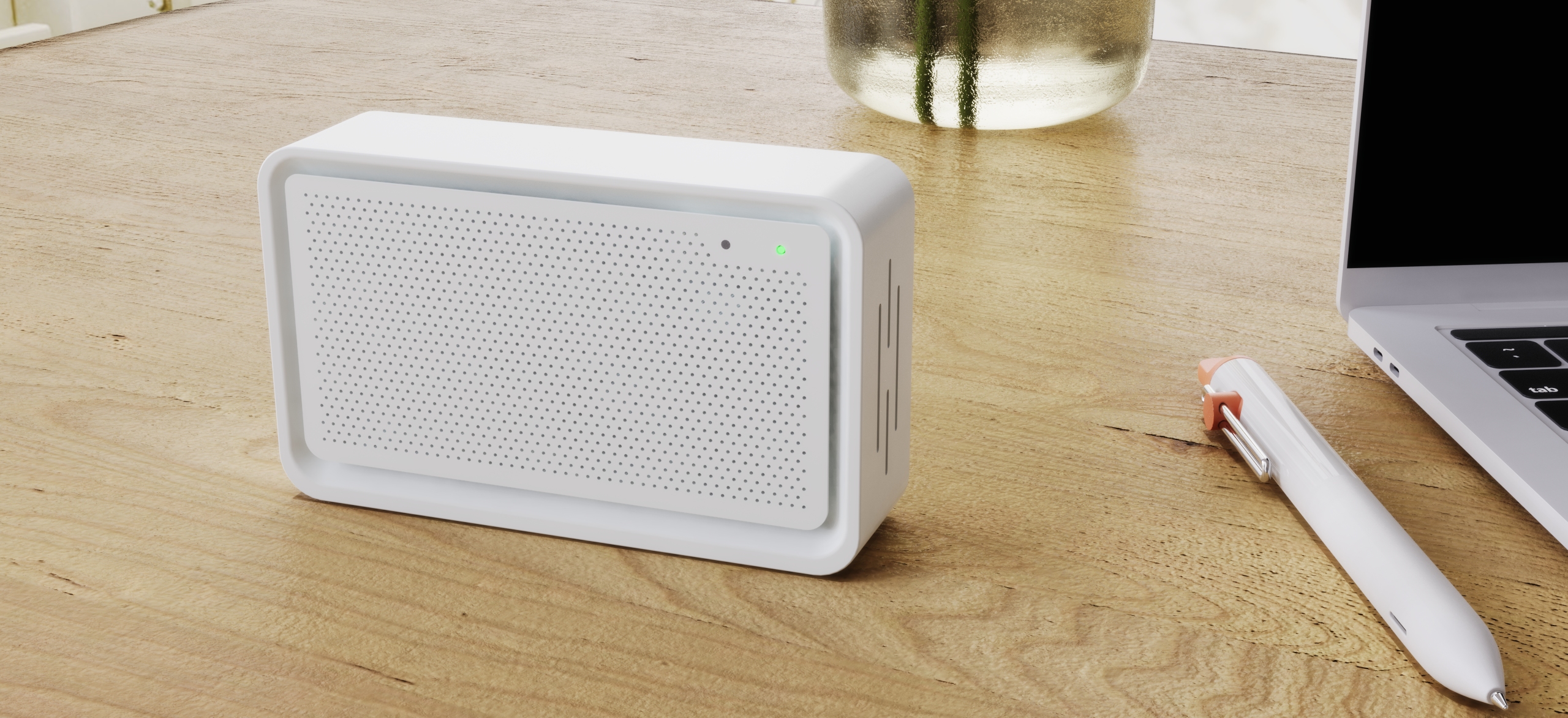
Automated household appliances ease physical strain for older residents. Robot vacuum cleaners, smart beds and automated plant watering systems reduce tiring domestic work. Voice activated controls and sensor triggered smart lighting remove unnecessary physical effort: lights can switch on automatically when someone enters a room, a huge benefit for those using walkers or crutches, who need to keep both hands on mobility aids. The beauty of home automation is its scalability: functions can be added gradually as physical abilities change over time, matching evolving accessibility needs.
Yoswit: decades long expertise brings no gateway simple smart upgrades for senior households
While many smart home systems demand complex wiring, technical configuration and costly central gateways — barriers that discourage older users — technology provider Yoswit addresses these pain points directly.
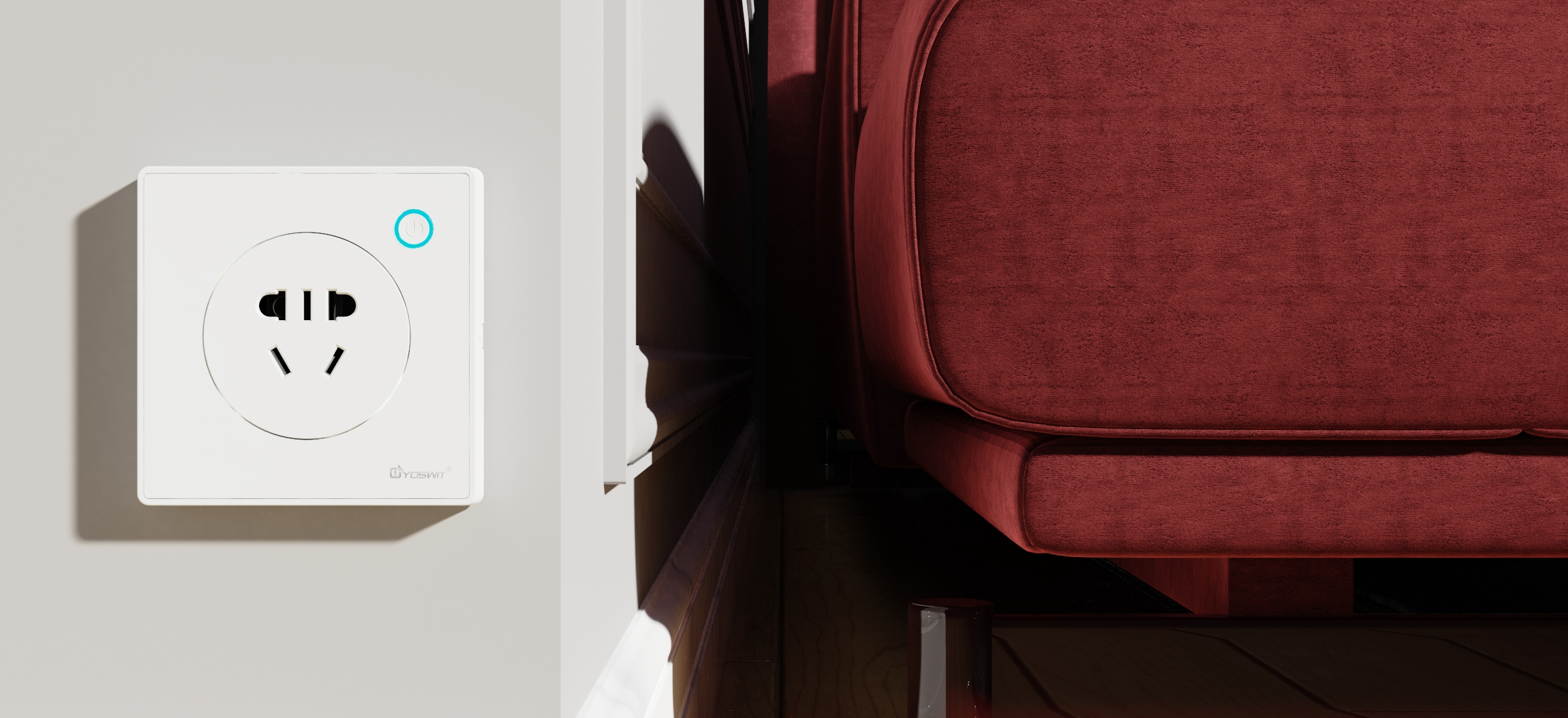
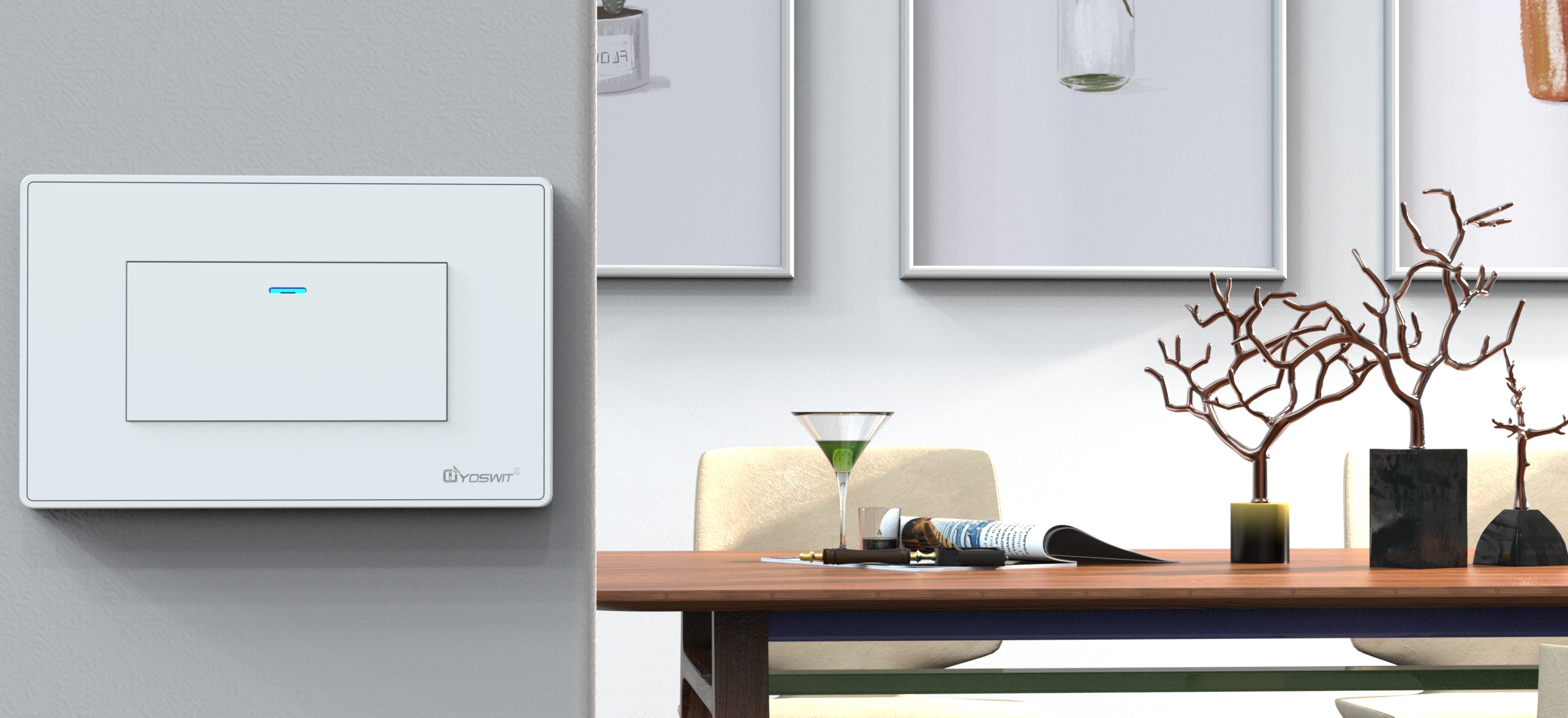
Yoswit specializes in smart home control solutions, backed by more than 20 years of industry experience. The company completes full in house development for hardware, software and cloud platforms, delivering plug and play smart upgrades that require no gateways and no complicated configurationYoswit. Homeowners do not need large scale renovation; existing wall switches can be replaced with Yoswit hardware, supporting both two wire and three wire installation, so older houses can gain smart home capability without rewiring workYoswit.
For seniors pursuing aging in place, Yoswit’s accessible platform unlocks multiple practical advantages:
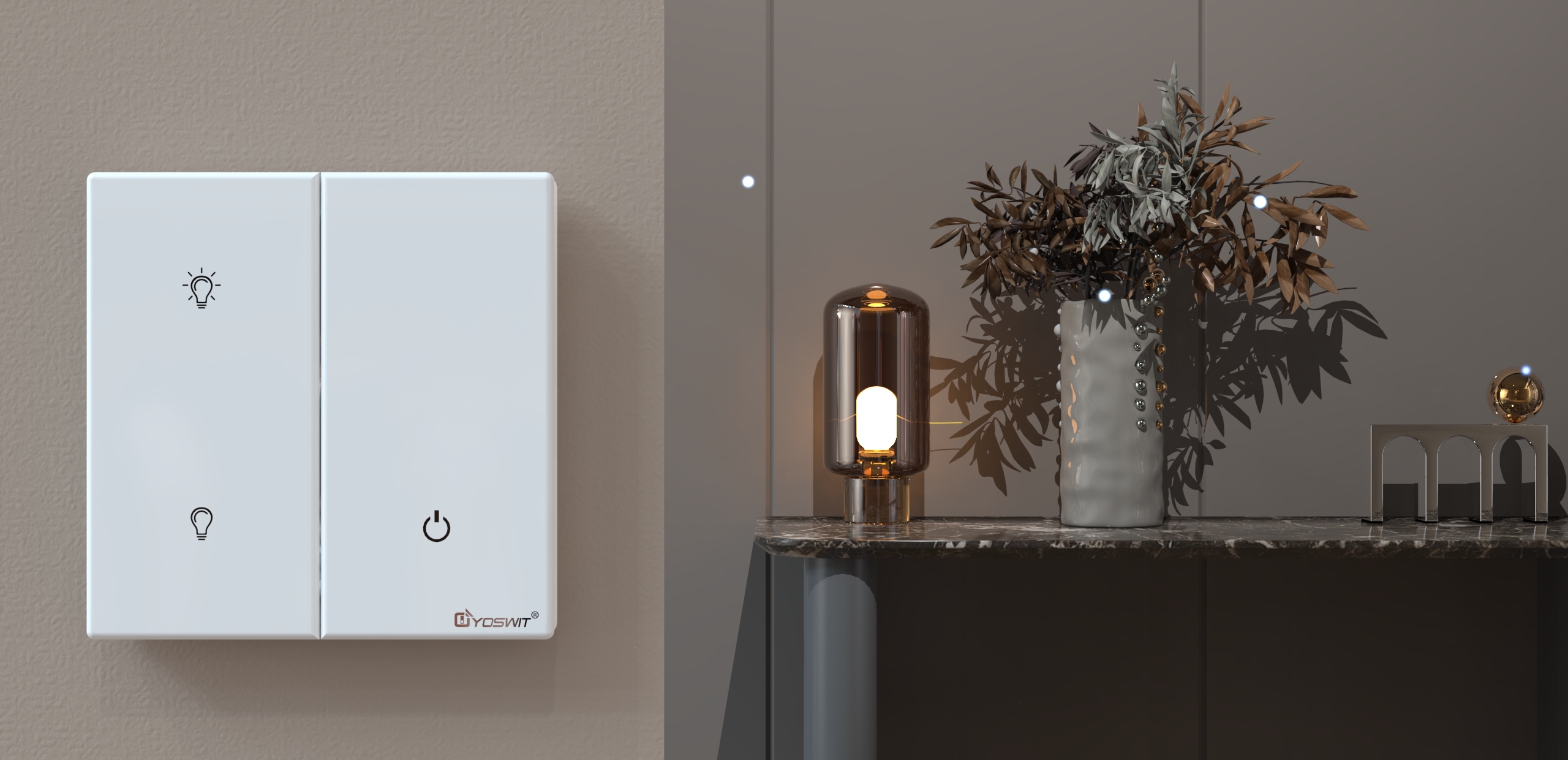
First, easy to deploy accessibility automation. Sensor activated smart lighting, timed curtain or blind control and scene modes can be set up simply. When an elderly person moves into a hallway or bedroom, lights turn on automatically, lowering trip and fall risks in dim conditions. Mobility limited users avoid the need to reach for wall switches. Customised one tap or app based scene modes can activate “night time safety mode” with one action, adjusting lights and shutters for evening hours.
Second, remote reassurance for family caregivers. Authorised family members can remotely check and control basic home functions via the Yoswit app. Without intrusive surveillance, relatives can gain peace of mind: for instance confirming whether lights have been switched off, or setting scheduled automatic shut offs to reduce kitchen safety hazards. This preserves the senior’s dignity while delivering indirect safety oversight.
Third, gradual, flexible expansion. There is no requirement to install everything at once. Households can start with basic smart lighting, and add curtain controllers or other modules as residents’ needs shift. This incremental approach fits real life ageing trajectories and avoids overwhelming users with unfamiliar technology.
Fourth, low technical barrier for older users. Eliminating gateways and complex pairing procedures removes major frustration points. The system works after straightforward installation, without mandatory complicated setup procedures, making smart home features usable for people who lack advanced digital skills.
Outlook: technology serves dignity, not replacement of human care
Industry observers stress that smart home devices will never fully replace human carers or medical services. Instead, they function as powerful supporting infrastructure. The goal of ageing in place oriented smart technology is to preserve older adults’ autonomy, safety and sense of dignity, extending the time they can comfortably stay in their cherished family homes.
Solutions such as those from Yoswit show that effective age friendly smart home innovation lies not in adding fancy features, but in stripping away unnecessary complexity. Simple, retrofittable, incremental upgrades can bring connected assisted living benefits to more ordinary senior households.